


Are Pennies Going Away? Here’s What It Means for You and Your Wallet
Last Updated: January 2, 2026
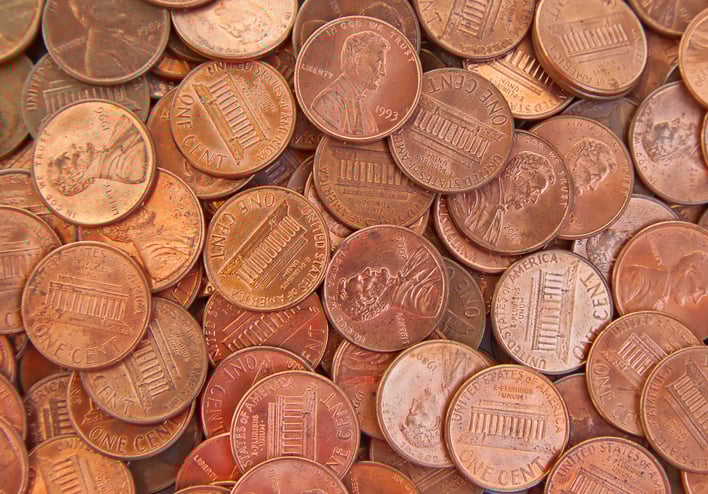
For more than 230 years, the penny has been part of everyday American life. Many of us grew up finding them in couch cushions, saving them in jars, or using them to round out a purchase. But in recent years, you may have noticed that pennies show up less and less in your day-to-day spending.
As production costs rise and digital payments grow, many people are asking the same question: Are pennies going away?
The short answer: The U.S. Mint has stopped producing new pennies due to cost and declining use, but existing pennies remain legal tender and can continue to be used or deposited at your bank. The physical coin, however, will gradually become harder to find as inventories run out [ 1].
Below, we’ll walk through what this change means, how it may affect everyday purchases, and how Centier Bank can help you stay financially prepared, including a modern approach to “rounding up” that actually helps you grow your savings.
Why the Penny Is Being Phased Out
Pennies cost more to make than they’re worth. According to reporting from Forbes, each penny costs around 3.69 cents to produce [2]. This means the government loses money on every coin minted and the demand just isn’t what it used to be.
The shift toward digital payments has also accelerated the decline in penny circulation. The Federal Reserve notes that fewer cash transactions and more electronic payments have made small-denomination coins less relevant for most Americans [3].
Even though no new pennies will be made, your existing pennies are still:
- Legal to use
- Accepted for deposits
- Spendable at any retailer that accepts cash
Over time, however, you can expect to see fewer pennies in change as businesses adjust.
How Will Stores Handle Prices Without Pennies?
If you pay with a card or digital wallet, nothing changes and totals remain exact.
If you pay with cash, many retailers are adopting a cash-rounding system, similar to practices in several other countries. Businesses will round to the nearest five cents only on the final purchase total, not on individual items [4].
For example:
- $10.21 → rounds down to $10.20
- $10.23 → rounds up to $10.25
This rounding applies only to cash payments. Card and electronic payments will continue to be calculated down to the exact cent.
Will Banks Still Take Pennies?
Yes. Banks, including Centier, will continue to:
- Accept penny deposits
- Exchange coins
- Allow you to use existing pennies without issue
American Banker notes that because pennies remain legal tender, banks may continue accepting them long after businesses stop circulating them [5].
If you're ready to deposit a jar of coins, use our location finder to find a branch near you.
Why You May Want to Deposit Your Pennies Sooner Than Later
As fewer businesses give pennies as change, they will cycle out of daily use. Meaning:
- It may become harder to spend them at stores
- Coin counters may phase out penny sorting
- Over time, fewer retailers will keep pennies in their tills
Depositing them now ensures your money continues working for you, not sitting unused in a jar.
From Pennies to Progress: Try Centier’s Round-Up Savings
A disappearing penny doesn’t have to mean lost savings. In fact, you can use the concept of “rounding” to save more automatically.
Centier’s Round-Up Savings feature rounds your purchases up to the nearest dollar, then transfers the difference directly into your savings account.
For example:
- You buy coffee for $3.42
- It rounds up to $4.00
- $0.58 goes into your savings
Think of it as a digital way to toss spare change into a jar, without carrying coins. Over time, those small round-ups can help to create an emergency fund.
If you're ready to start saving effortlessly, explore our personal savings accounts, which pair perfectly with round-up features.
You can also estimate your long-term goals using our Savings Goal Calculator.
You might also like: Where to keep an emergency fund and how to get started
What This Means for Your Everyday Purchases
You may notice a few gradual changes:
- Less physical change in cash transactions
- Fewer pennies in circulation over time
- More retailers rounding cash totals
- Increased digital payment use
If you’re already using a mobile wallet or your Centier debit card, these changes will likely go unnoticed.
Lean on Centier as Everyday Payments Continue to Evolve
As spending habits shift and pennies gradually phase out, Centier is here to help you along the way.
Whether you want to build savings, understand digital banking tools, or simply make the most of your loose change, we’re here to support you.
To get started, book an appointment with a Centier banker or explore your savings options today.
Sources:
[1] AP News “ U.S. Mint ends penny production due to rising costs and declining demand.”
[2] Forbes “ What the End of the Penny Means for Consumers.”
[3] Federal Reserve (Richmond Fed) “ Economic Brief: Cash Use Declines and Impacts on Coin Circulation.”
[4] Richmond Federal Reserve “ Cash Rounding Practices in the U.S.”
[5] American Banker “U.S. to Stop Making Pennies — What It Means for Banks.”